
PHP2Shell (CVE-2026-109618 & CVE-2026-109619): Anatomy of the PHP Memory Safety Crisis, AI Discovery, and Enterprise Remediation
The Global PHP Memory Safety Crisis
AI Vulnerability Discovery, Enterprise Technical Debt & The Future of Resilient Architecture
Over the past several weeks, the global cybersecurity ecosystem was thrown into emergency triage following the public disclosure of critical memory safety vulnerabilities within PHP—the server-side engine powering nearly three-quarters of the public web. With CVSS severity scores nearing maximum theoretical thresholds, the flaws expose unpatched web servers to immediate Remote Code Execution (RCE), enabling adversaries to seize full administrative control over underlying operating system kernels.
The international reaction was swift and dramatic: hosting providers, sovereign portals, and enterprise networks rushed emergency patches into staging environments, with several high-profile operators preemptively pulling public-facing systems offline entirely to prevent automated exploitation. Yet, what makes this episode historic is not merely the blast radius—it is how the flaws were discovered, who carries the systemic risk, and what it exposes about the fragility of modern web infrastructure.
These catastrophic vulnerabilities sat silently within core codebases for more than ten years, undetected by decades of manual code audits. They were finally surfaced by autonomous AI vulnerability detection models scanning millions of lines of open-source software. At Initiative Tech Solutions (ITS) Ltd, where we build critical enterprise systems through the Inzora Business Suite (IBS), our engineering leadership has long advocated for architectural hygiene that renders entire classes of memory vulnerabilities structurally impossible.
"When a decade-old memory corruption bug in an upstream C/PHP runtime can compromise thousands of production servers overnight, you are not suffering from bad luck—you are paying compound interest on accumulated architectural debt. AI did not perform magic here; it simply harvested the low-hanging fruit that lazy security hygiene left unaddressed for ten years. If our industry wants genuine resilience, we must stop outsourcing structural accountability to end users and transition decisively to memory-safe, strictly compiled architectures."
— Irumva Yves Ngabonziza
Chief Engineer, ITS Ltd

1. Inside PHP2Shell (CVE-2026-109618 & CVE-2026-109619): Pre-Execution Exploitation
Formally tracked as CVE-2026-109618 and CVE-2026-109619 (dubbed PHP2Shell by researchers at Wiz and Huntress), these vulnerabilities are uniquely catastrophic because of where they execute: inside the C-level PHP runtime interpreter itself before application code even executes.
Unlike conventional plugin bugs or SQL injection flaws where secure coding in WordPress, Drupal, or custom Laravel apps might protect you, PHP2Shell triggers during initial request processing. An unauthenticated remote attacker sending malformed HTTP payloads can corrupt memory buffers in the interpreter process, gaining shell execution, reading raw database connection strings from server memory, injecting persistent web shells, or establishing kernel backdoors.

Figure 1: Systems engineer conducting emergency kernel updates and upstream runtime patch verification on high-density production racks.
Virtually every common deployment architecture is exposed: PHP-FPM, mod_php, PHP CGI, modern runtimes like FrankenPHP, and high-performance engines like LiteSpeed.
2. The Patch Matrix: Supported Versions vs. The EOL Cliff
The PHP development team acted decisively by releasing emergency security point releases on October 21. If your servers run actively maintained PHP branches, the official patched releases are:
PHP 8.5 Branch
v8.5.12
PatchedPHP 8.4 Branch
v8.4.27
PatchedPHP 8.3 Branch
v8.3.36
PatchedPHP 8.2 Branch
v8.2.35
PatchedThe Critical Vulnerability Trap: Over 50% of all public PHP servers worldwide run PHP 8.1, 8.0, 7.4, or older. These branches have officially reached End-of-Life (EOL) from the PHP Foundation and received no upstream security update. Unless your server runs an enterprise Linux distribution providing backported security patches (such as Ubuntu ESM or Red Hat Enterprise Linux), older systems have no official upgrade path without upgrading their entire runtime environment.
3. Practical Triage: What Site Owners and DevOps Must Do Today
Whether you operate a small business website or an enterprise SaaS fleet, immediate verification is mandatory:
- Check Your Active PHP Version: If you use WordPress, navigate directly to
Tools → Site Health → Info → Serverand inspect the PHP version string. If you manage Linux servers, runphp -vfrom the terminal. - Demand Host Confirmation: If you are on shared or managed hosting, contact support immediately: "Have you applied upstream security point patches for CVE-2026-109618 and CVE-2026-109619 on our cluster?"
- Upgrade Self-Managed Servers: On cloud VPS or dedicated servers (AWS EC2, DigitalOcean, Hetzner), update your package manager repositories and install
8.5.12,8.4.27,8.3.36, or8.2.35right now. - Deploy WAF Edge Filtering: If an immediate upgrade is impossible due to legacy dependencies, leverage Cloudflare, AWS WAF, or Fastly. Providers like Cloudflare have rolled out managed firewall rules to actively drop PHP2Shell exploitation vectors before packets hit your origin server.
2. Demystifying AI: Harvesting Low-Hanging Fruit, Not Magic
Sensationalist headlines often frame artificial intelligence either as an infallible cyber-savior or as an uncontrollable cyber-weapon. The reality of this discovery is far more grounded: AI was utilized as a brute-force static analysis accelerator to uncover basic security hygiene failures that had been ignored for years.

Figure 2: Automated semantic vulnerability scanning: AI models pinpointing buffer overflows and unchecked pointers in legacy C source repositories.
Traditional static application security testing (SAST) tools generate notoriously high false-positive rates when parsing pointer arithmetic, variable scoping, and dynamic memory allocation across massive C codebases. LLM-assisted vulnerability search models changed the economics of code auditing by understanding contextual semantics—mapping untrusted user inputs directly into internal buffer handling routines without getting lost in abstraction layers.
However, as Tarah Wheeler aptly observed, AI is not inventing novel defensive paradigms. It is simply reading code faster than human maintainers and shining a spotlight on basic, low-hanging fruit: neglected boundary checks, uninitialized memory pointers, and classic buffer overflows that should never have existed in production software to begin with.
3. Technical Debt and the Memory-Safety Imperative
The root of this crisis is not bad programming—it is the structural hazard of building internet-scale software on top of memory-unsafe foundational languages. Memory errors (including buffer overflows, use-after-free, and out-of-bounds reads) account for nearly 70% of all critical vulnerabilities cataloged by Microsoft, Google, and the Cybersecurity and Infrastructure Security Agency (CISA) over the past two decades.
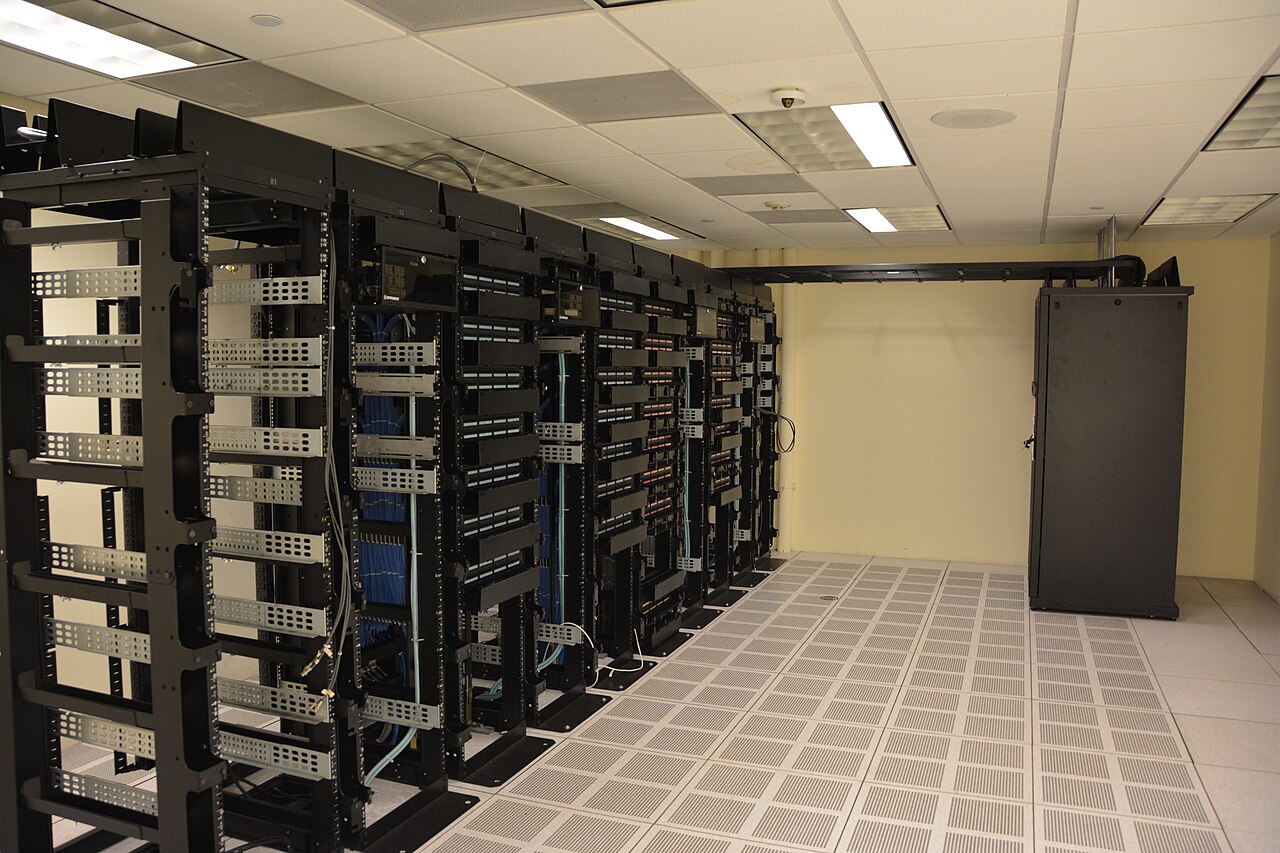
Figure 3: Modern sovereign cloud infrastructure: transitioning from fragile interpreted scripting hosts to containerized, memory-safe compiled microservices.
Languages like C and C++ require human developers to explicitly manage memory allocations and pointer lifetimes. In high-concurrency server environments, maintaining mathematical perfection across millions of code branches is an impossible burden. This is precisely why modern enterprise software engineering has initiated a profound migration toward memory-safe languages such as Rust, Go, and strictly-typed TypeScript. By enforcing borrow checking and automatic memory management at compile time, these languages eliminate entire categories of RCE vulnerabilities before a single line of executable binary is deployed to a server.
4. Clarifying Responsibility: Stop Blaming the Small Business
Whenever a widespread CMS or language vulnerability emerges, an unfortunate trope surfaces in the tech sector: blaming small-and-medium enterprises (SMEs), clinics, schools, and non-technical founders for running "outdated WordPress or Drupal sites."
This finger-pointing is intellectually dishonest. A local medical clinic or regional logistics depot hires software agencies and cloud vendors with the reasonable expectation that the platform they were sold is secure by design. When an agency delivers an off-the-shelf monolithic CMS built on top of complex PHP stacks without providing long-term maintenance contracts, managed vulnerability patching, or transparent threat modeling, the failure belongs to the technology provider—not the client.
At ITS Ltd, we believe technology firms must shoulder fiduciary responsibility for the security posture of the software they deliver. Enterprise systems like the Inzora Business Suite (IBS) are engineered with automated background verification, isolated sandboxing, and immutable runtime boundaries so that business owners can focus on running their enterprises without having to become full-time vulnerability researchers.
Is Your Enterprise Protected Against Memory Exploits & Legacy Debt?
Don't leave your institutional databases and web platforms exposed to decade-old runtime vulnerabilities. Partner with Initiative Tech Solutions (ITS) Ltd to conduct comprehensive infrastructure vulnerability audits, modernize legacy CMS platforms, and migrate your core operations to memory-safe, high-resilience architectures.
Article Intelligence
Strategic Alliance
Enterprise digital alignment requires tactical precision. Partner with the ITS Ltd implementation team.
Further Intelligence
Browse All Articles →
Personal Data in Modern Tech: Understanding Your Digital Privacy Rights in the Age of AI and Cloud Platforms
In an era of relentless cloud telemetry, ubiquitous mobile transactions, and generative AI, personal data is the primary currency of the digital economy. Discover what constitutes personal data, the 5 core privacy rights guaranteed under Rwanda’s Data Protection Law (Law Nº 058/2021) and GDPR, the hidden privacy risks of cloud AI, and how sovereign on-device architecture is redefining digital safety.

Privilege Auditing: The Critical Cornerstone of Business Cybersecurity
In a recent expert feature on SafetyDetectives, Irumva Yves Ngabonziza, Chief Engineer at ITS Ltd, shared why auditing user privileges and implementing the Principle of Least Privilege is essential to prevent costly data breaches.