IBS Management Made for Clinics: Do What Matters Most — Serve and Care for Them Smart and Fast
IBS Management Made for Clinics
Do What Matters Most: Serve and Care for Them Smart and Fast
In the clinical healthcare ecosystem, speed is not a mere convenience—it is a determinant of clinical outcomes and patient trust. When a mother arrives with a febrile child at an outpatient center, or when a chronic hypertension patient comes in for a routine check-up, every minute consumed by clerical delays, missing paper folders, or manual receipt validation deteriorates the standard of care.
Yet across private medical clinics, polyclinics, and community health centers in emerging markets, physicians and nurses routinely spend over 40% of their working hours wrestling with fragmented administrative overhead. Patient histories live in damp physical file cabinets; laboratory test results travel on physical paper chits that get misplaced; and pharmacies run out of vital antibiotics due to unrecorded stock leakages.
At Initiative Tech Solutions (ITS) Ltd, based at Norrsken House Kigali, we engineered the Healthcare & Outpatient Clinic module of Inzora Business Suite (IBS) around a single, uncompromising mandate: strip away administrative bureaucracy so medical teams can do what matters most—serve and care for their patients smart, safely, and fast.
"A medical professional should never be turned into an administrative clerk. When a clinician's workflow is liberated by sub-second electronic records and instant dispensary dispensing, healthcare transforms from an ordeal of waiting into a high-trust experience of rapid, attentive healing."
— Kenny Loi MUKIZA
Product Strategy Lead, ITS Ltd

1. Rapid Front-Desk Triage & Sub-Second Vitals Ingestion
The bottleneck in almost every busy clinic begins at the reception desk. Patients queue for long intervals while clerks handwrite ledger entries and search through physical racks for old patient booklets. If a patient visited three months ago, their previous drug allergies, diagnosis history, and chronic baseline metrics are often temporarily inaccessible.

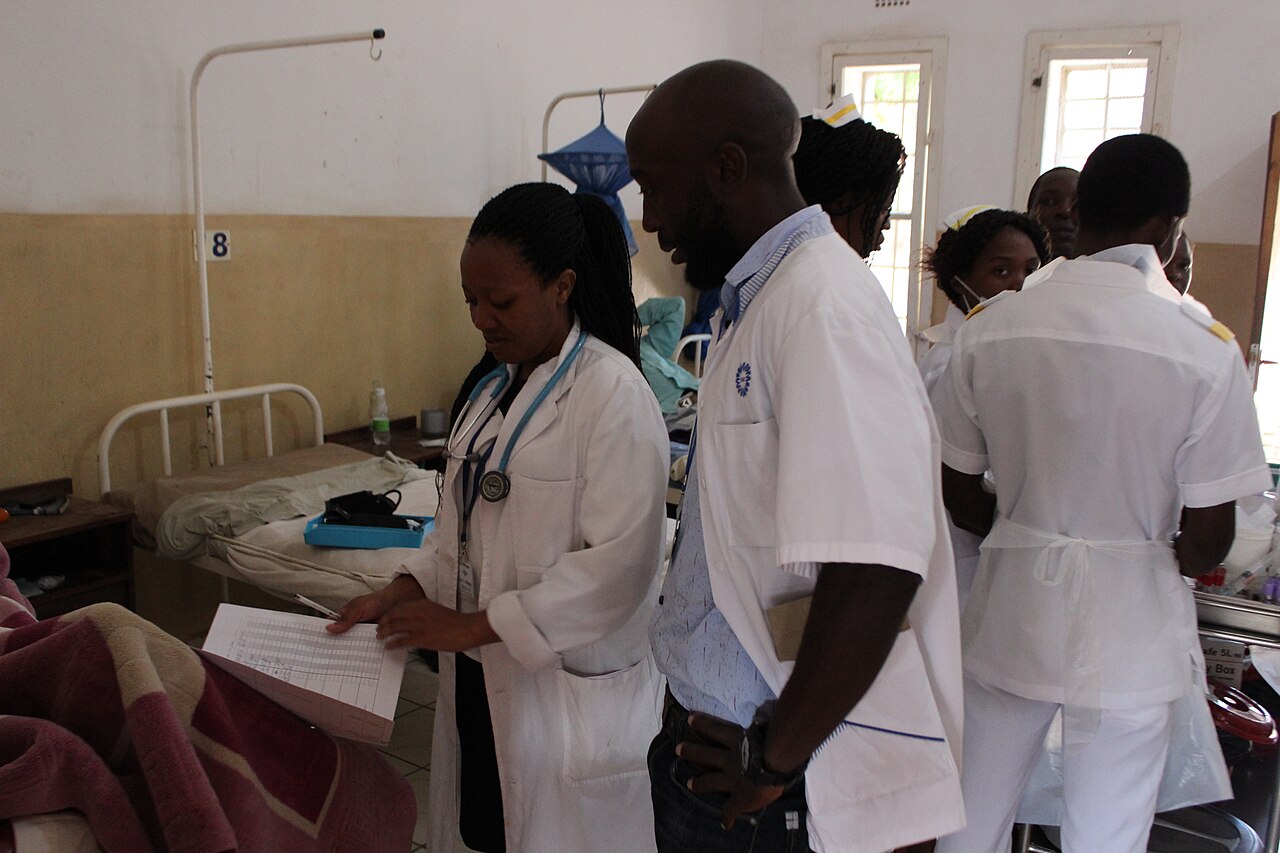
Figure 1: High-velocity triage: nursing staff capturing blood pressure, SpO2, and baseline vitals directly into the unified IBS Electronic Medical Record.
With IBS Management, patient check-in takes less than ten seconds via quick national identification or biometric registration. As the patient transitions to the triage station, nursing staff log blood pressure, pulse rate, oxygen saturation, temperature, and body mass index into responsive, ergonomic input interfaces. Immediate automated alerts flag clinical abnormalities (e.g., severe hypertension or pediatric fever spikes), automatically prioritizing high-acuity cases in the attending physician's live queue.
2. The Unified Clinical EMR: Diagnostics Without Disconnection
When a doctor invites a patient into the consultation room, every piece of contextual data must be instantaneously visible. In traditional facilities, doctors are forced to ask patients to recall past prescriptions, resulting in diagnostic ambiguity and risk of adverse drug interactions.

Figure 2: Comprehensive clinical continuity: attending physicians examine patients with real-time access to longitudinal health histories and diagnostic baselines.
IBS Management provides an intuitive, single-pane Electronic Medical Record (EMR) designed for speed. Clinicians access longitudinal medical records, pre-existing chronic conditions, vaccination histories, and previous consultation notes with a single keystroke. Consultation notes utilize smart clinical templates and standardized ICD-10 diagnostic coding, allowing doctors to document clinical encounters, request diagnostic investigations, and prescribe therapies in seconds without ever taking their eyes off the patient.
3. Integrated Laboratory Workflow: Closed-Loop Diagnostics
Diagnostic delays are notorious for paralyzing outpatient workflows. When a doctor requests a complete blood count (CBC), malaria rapid test, or urine analysis, the patient typically carries a paper slip to the laboratory, waits for specimen collection, and waits again for hours while results are typed or hand-written onto another sheet.
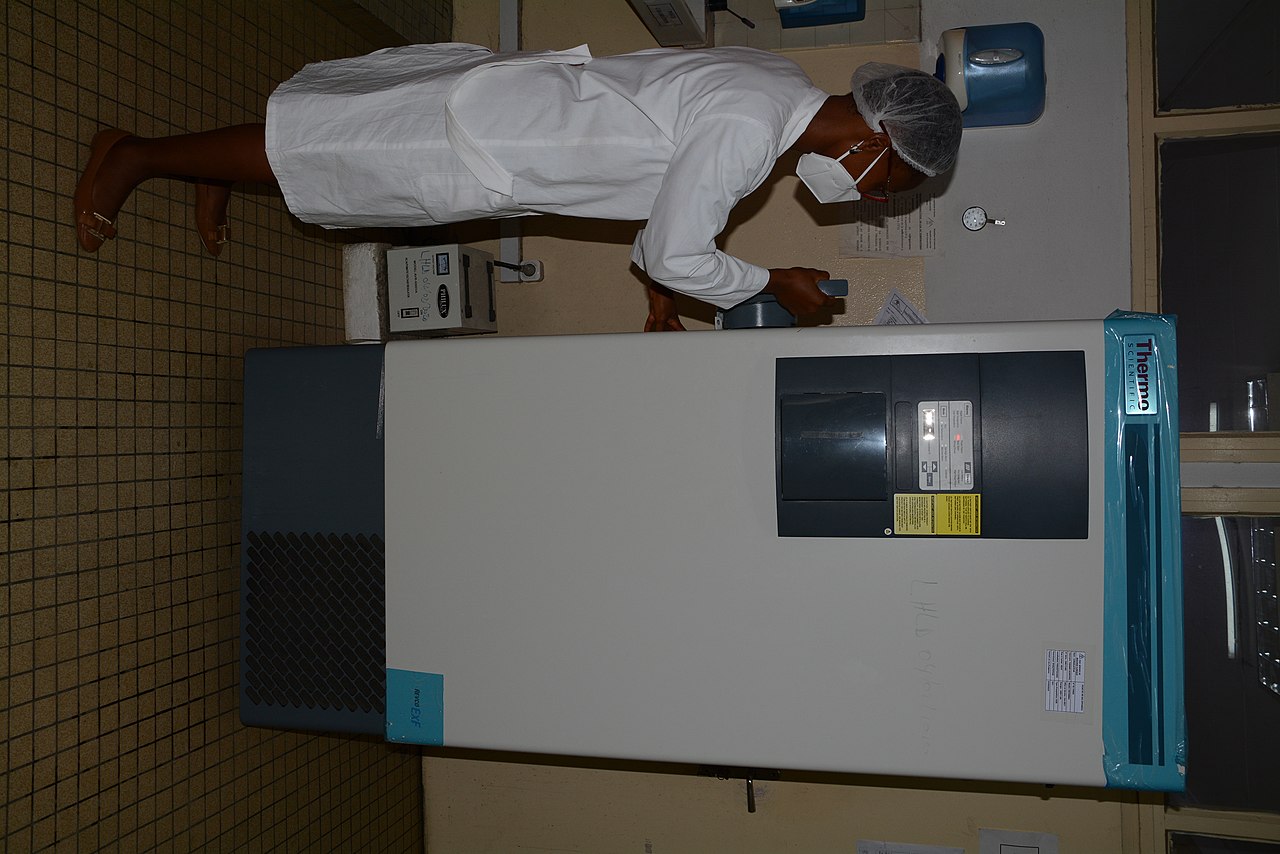
Figure 3: Integrated diagnostic laboratory: barcode-tracked specimen analysis with instantaneous result publishing directly back to the doctor's active consultation console.
Under IBS Management, the diagnostic chain is completely digitized and closed-loop:
- Instant Digital Requisition: As soon as the physician clicks "Order Test", the requisition appears in real time on the laboratory technician's active workbench queue.
- Barcode Specimen Tracking: Phlebotomists and technicians label specimens with system-generated tracking identifiers, eliminating sample mix-ups and transcription errors.
- Instant Result Broadcasting: Once the lab confirms test values, the results instantly populate the patient's EMR. The consulting doctor receives an immediate notification, enabling prompt clinical decisions and reducing outpatient turnaround time from hours to minutes.
4. Pharmacy Dispensary Control: FEFO Batching & Zero Leakage
A clinic's on-site dispensary is simultaneously its primary therapeutic delivery point and its greatest financial vulnerability. Medication stockouts compromise clinical effectiveness, while untracked expired pharmaceuticals cause substantial financial losses. Furthermore, handwritten doctor prescriptions frequently cause dispensing misunderstandings and medication dosage errors.

Figure 4: Automated clinical dispensary: First-Expiry-First-Out (FEFO) inventory management, real-time stock decrementation, and legible e-prescriptions.
IBS Management bridges the doctor's desk and the dispensing counter with flawless synchronization:
- Direct E-Prescription Delivery: Approved prescriptions flow straight to the pharmacy station. Pharmacists dispense medications from clearly typed instructions, eliminating handwriting ambiguity.
- FEFO Automated Batch Rotation: The system automatically assigns inventory lots based on First-Expiry-First-Out principles, ensuring older batches are dispensed first and near-expiry alerts are surfaced proactively to procurement leads.
- Real-Time Ledger Decrementing: Every dispensed vial, tablet strip, or surgical disposable is deducted from the central ledger in real time, preventing unrecorded stock leakage and automating re-order notifications before crucial supplies run dry.
5. Operational Ward Coordination & Inpatient Oversight
For polyclinics and medical centers maintaining short-stay observation beds, day surgery suites, or maternity wards, continuity of care between rotating shifts is paramount. Paper handovers between morning and night shifts frequently lead to missed medication dosages or delayed nursing observations.
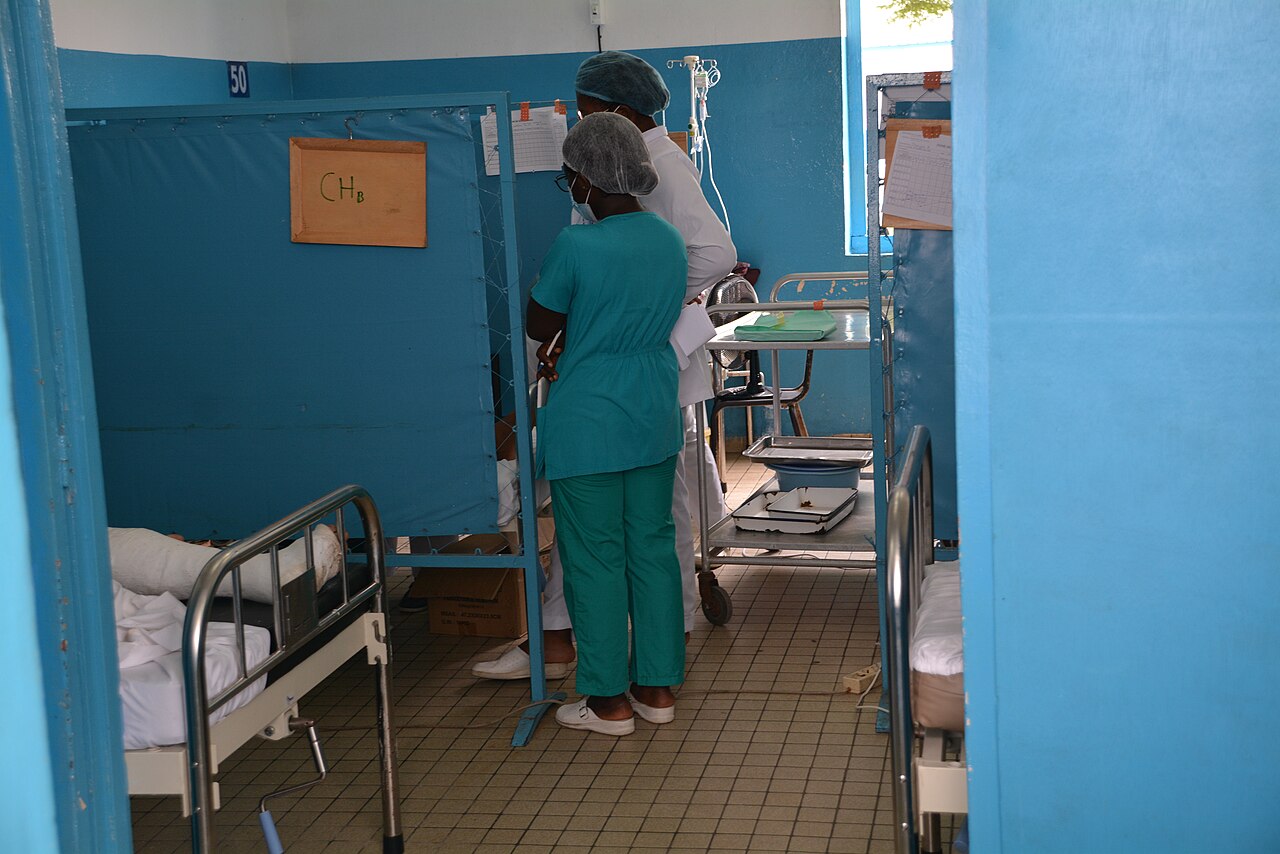
Figure 5: Ward coordination and inpatient oversight: real-time bed tracking, medication administration schedules, and seamless clinical handover logs.
IBS Management provides comprehensive bed occupancy tracking, visual ward layouts, scheduled medication administration records (eMAR), and timestamped clinical handover logs. Doctors on ward rounds can review vitals trends, input treatment adjustments on mobile tablets or desktop terminals, and rest assured that nursing shifts execute patient care with absolute synchronization.
6. Resilience First: Offline-Capable Architecture for Critical Healthcare
A clinical management system that halts operations when fiber internet fluctuates or regional power dips is a hazard to patient life. In many rapidly growing urban and suburban districts, clinical software must be resilient against unpredictable infrastructure realities.
Engineered specifically for African operational environments, IBS Management incorporates a local edge architecture. If regional internet connectivity drops, the clinic's local server continues handling triage, physician notes, lab workflows, and dispensary sales without skipping a beat. Once connectivity is restored, cryptographic background synchronization harmonizes all data with the central cloud ledger, ensuring zero downtime, zero data corruption, and uninterrupted patient service 24/7.
Ready to Elevate Your Clinic's Operational Excellence?
Free your medical team from paperwork, eliminate pharmacy shrinkage, and give your patients the prompt, dignified care they deserve. Discover how the Inzora Business Suite (IBS) Clinic & Healthcare Edition can transform your medical facility.
Article Intelligence
Strategic Alliance
Enterprise digital alignment requires tactical precision. Partner with the ITS Ltd implementation team.
Further Intelligence
Browse All Articles →
This Is What Your Institution Is Missing On: The Modern Operating Blueprint for Schools, Academies & Higher Learning
Educational institutions across Africa are facing an administrative turning point: managing student admissions, multi-installment tuition reconciliations, faculty workload allocations, and regulatory accreditations across fragmented spreadsheets drains vital resources. Discover what modern academies, vocational polytechnics, and university campuses are missing without a unified institutional operating system like Inzora Business Suite (IBS).

Unified Hospitality Operations: Modernizing Multi-Property Hotels, Dining Networks, and Guest Experience Systems
High-end hospitality operations across Africa face a continuous operational challenge: reconciling multi-outlet restaurant dining, real-time room reservations, banquet scheduling, and central ledger audits without disrupting the guest experience. Discover how enterprise hotel groups and boutique resort networks leverage the Inzora Business Suite (IBS) to deliver flawless guest journeys and institutional-grade financial control.